Newly reported internal findings indicate that senior Deutsche Bank executive Stefan Hoops was reprimanded over his treatment of a whistleblower, intensifying scrutiny of the lender's governance, internal controls and management accountability.
Canada's banking regulator has proposed lower capital requirements for selected mortgage and business lending exposures, aiming to strengthen smaller lenders' competitiveness while preserving financial stability.
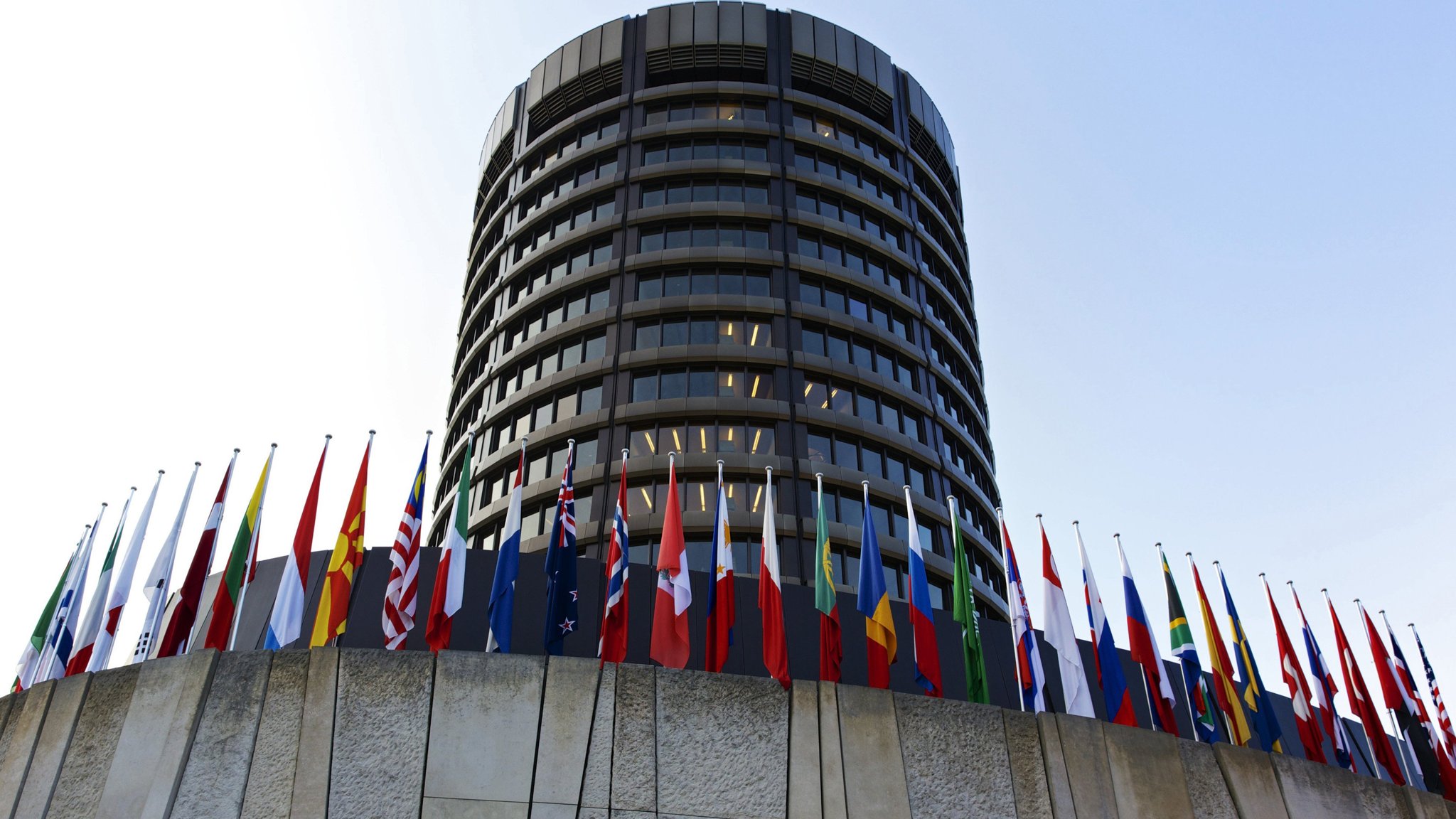
The Basel Committee is preparing targeted revisions to liquidity risk management standards as supervisors examine growing exposures to AI infrastructure, private credit and non-bank financial institutions.
Non-EU banking groups increased their share of EU banking assets to 10.22% in 2025, while foreign-currency funding also expanded, reinforcing the importance of cross-border supervision and liquidity risk management.
Citigroup has corrected a reported $35 billion understatement of risk-weighted assets at a European trading subsidiary, raising questions about internal model governance, regulatory permissions and capital adequacy controls.
The ECB has set average CET1 requirements and guidance for 2027 at 11.3%, signalling stable capital expectations while intensifying supervisory scrutiny of operational resilience, governance and geopolitical risks.
Swiss banks are challenging proposed regulatory reforms introduced after Credit Suisse's collapse, warning that stricter supervisory powers, governance obligations and compliance requirements could undermine the sector's international competitiveness.
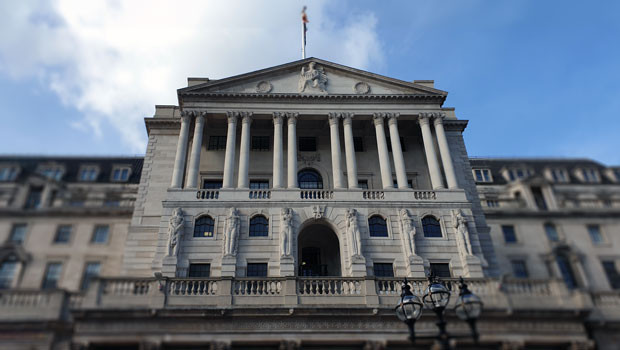
The Bank of England has proposed changes to capital buffer rules designed to encourage banks to absorb losses and maintain lending during economic downturns without triggering excessive distribution restrictions.
ECB policymakers are reportedly considering doubling minimum reserve requirements to 2%, a move that could reduce central bank interest expenses while increasing the funding burden on commercial banks.